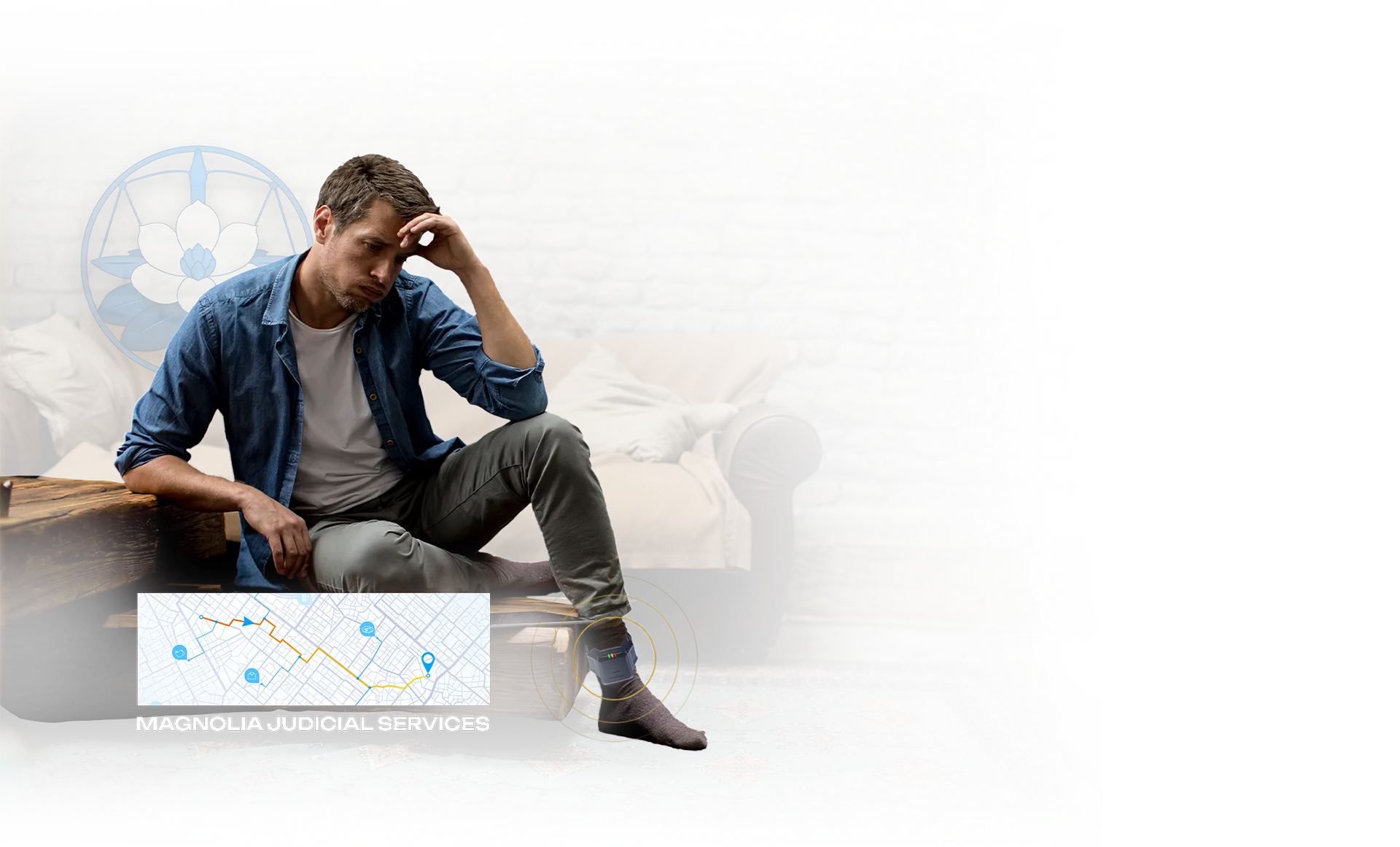
Continuous Alcohol Monitoring: How SCRAM and GRADE Devices Work

Being ordered to wear a continuous alcohol monitoring device can feel unfamiliar and a little intimidating, especially if you’re not sure how the technology actually works or what it means for your day-to-day life. Two of the most widely used continuous alcohol monitoring devices are SCRAM CAM and the newer GRADE monitor. Here’s a closer look at how each one works and what to expect while wearing one.
What Is Continuous Alcohol Monitoring?
Continuous alcohol monitoring refers to technology that tracks a person’s alcohol consumption around the clock, rather than through a single test at one point in time. Courts, probation departments, and treatment providers use these devices to confirm ongoing sobriety for individuals facing DUI charges, repeat offenses, or other cases where consistent, verified compliance matters. Unlike a one-time breath test, continuous monitoring is designed to catch alcohol use at any hour, not just when a test happens to be scheduled.
How SCRAM CAM Works
SCRAM CAM is a wrist-worn bracelet that continuously measures alcohol consumption through the skin using transdermal testing technology. The device automatically tests for alcohol approximately every thirty minutes, all day and all night, without requiring the wearer to do anything to initiate a test. If the device is removed or tampered with, it generates a tamper alert that’s reported to the supervising court or probation officer. SCRAM CAM’s data is widely recognized by courts as admissible evidence, which is part of why it’s a common choice for repeat DUI offenders and other high-risk alcohol cases.
How the GRADE Continuous Alcohol Monitor Works
The GRADE Continuous Alcohol Monitor offers similar around-the-clock alcohol detection to SCRAM CAM, also through a wrist-worn device, but with a smaller, more discreet design built for long-term, comfortable wear. Like SCRAM, GRADE continuously reports monitoring data back to probation officers and courts, giving supervising authorities the same kind of ongoing visibility into a wearer’s alcohol consumption. GRADE is generally aimed at individuals under court supervision who need long-term monitoring but want a less noticeable device for daily life.
SCRAM CAM vs. GRADE: Key Differences
Both devices provide continuous, transdermal alcohol monitoring and report data to courts and probation officers, but they differ in a few practical ways. SCRAM CAM has a longer track record and broad recognition in courts nationwide, which can matter in cases where the device’s data may need to hold up as evidence. GRADE, as a newer device, emphasizes a smaller and more discreet form factor, which can make longer monitoring periods more comfortable day to day. The right choice for a specific case often depends on what a court has ordered, along with the length and purpose of the monitoring period.
Who Is Required to Use Continuous Alcohol Monitoring
Continuous alcohol monitoring is typically ordered by a court as a condition of bond, probation, or a diversion program, most often in DUI cases, repeat alcohol-related offenses, or situations where a judge wants verified, uninterrupted sobriety rather than periodic testing. Probation officers and treatment providers also rely on this monitoring data as part of ongoing case supervision and compliance tracking.
Why Continuous Monitoring Matters for Compliance
Because these devices test automatically and constantly, rather than at scheduled intervals, they remove the gaps that come with periodic testing, where alcohol use between tests could otherwise go undetected. This constant visibility benefits both the court, which gets a reliable compliance record, and the wearer, who has an objective way to demonstrate sobriety over an extended period rather than relying on a single test result.
What Happens If a Device Detects Alcohol or Tampering
If a SCRAM CAM or GRADE device detects alcohol consumption, or registers a tamper alert from an attempted removal, that information is reported to the supervising court or probation officer, who then determines next steps based on the specific terms of supervision. Because this data is treated seriously by courts, understanding how the device works, and following any instructions about proper wear and care, is an important part of staying in compliance.
Complementary Monitoring and Testing Options
Continuous alcohol monitoring is often used alongside other tools depending on a court’s specific requirements, including ignition interlock devices for driving-related restrictions, handheld breathalyzers for spot testing, drug testing for cases involving substances beyond alcohol, and GPS monitoring for location-based supervision requirements.
Get Set Up With SCRAM CAM or GRADE Monitoring
At Magnolia Judicial Services, we provide court-trusted alcohol monitoring devices, including SCRAM CAM and GRADE, along with a full range of devices and services to support court-ordered supervision requirements, including intervention programs for those who need additional support.